
Influencer marketing has revolutionized the way brands can promote their products. Unlike traditional advertising, influencer marketing relies on the trust that has been established between the influencer and their followers. When a close friend tells you about a new makeup product they love, there’s a good chance you’ll actually buy it. You know your friend isn’t a commercial trying to sell you something, but rather someone who knows you and what you might like. Influencers who connect with their audience can work just as well as a close friend’s recommendation. This trust allows the influencer to be a credible source to consumers, making them more likely to buy your product.
LivFit
This week I explored influencer marketing and how it works. I created an influencer marketing strategy for a new activewear brand, LivFit. Because they are a new brand, they are trying to establish themselves within the space, and influencer marketing is a great way to do so. The brand’s goal is to sell high-quality activewear at a more affordable price than its popular competitors, such as Lululemon and Alo Yoga. In this particular campaign, LivFit’s objectives are to create brand awareness and conversions.
Ambassador Program
An Ambassador Program is a great way to begin influencer marketing, especially if you don’t have a high budget. In this case, LivFit is just starting and doesn’t have the budget to pay influencers. However, they can afford to send them their activewear. LivFit will select influencers who align with the brand’s values and offer to send them free LivFit activewear in exchange for posts that include the clothing. The deliverables that LivFit is looking for are Instagram stories that show the clothing that was sent with a link to the website, as well as an Instagram Reel and TikTok video. The content needs to be as authentic as possible, so we want influencers who are already posting in activewear, such as those in the wellness or fitness communities.
Finding Influencers
To find the perfect influencers to work with LivFit, I used HypeAuditor. The first thing I considered was what follower counts should our desired influencers have. I typically see ambassador programs featuring nano (1K-10K followers) and micro (10K-100K followers) influencers. This is likely because most macro (100K–1M followers) and mega (1M+ followers) influencers can work with brands that have big budgets. Smaller influencers are more likely to agree to make content in exchange for free products because it helps them establish themselves for future brand deals. I think for LivFit, an influencer with 10K-50K followers is the perfect amount because it’s enough to encourage brand awareness while still being a micro-influencer.
LivFit sells women’s activewear within the US, therefore the target audience is young women living in the US. Keeping this in mind, below are the search selections I made in HypeAuditor. I used the same ones when looking for Instagram influencers and TikTok influencers.

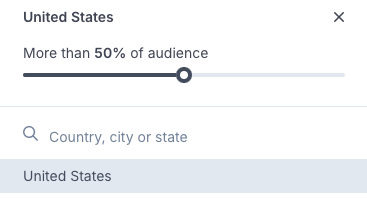
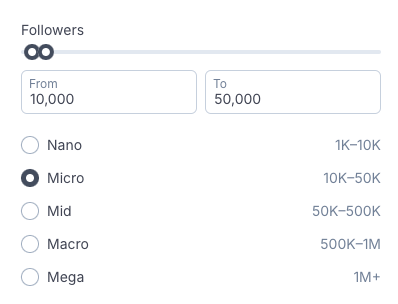
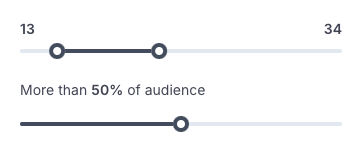
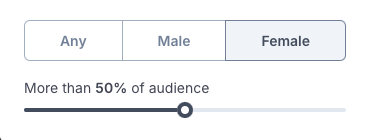

I found two Instagram influencers and one TikTok influencer who would make perfect ambassadors for LivFit. Their audiences align with our goals, and they all make fitness content and wear a lot of activewear.


Key Performance Indicators
Working with influencers is great for brands, but it’s important to know whether or not the efforts are successful. Measuring success is done by looking at KPIs, or key performance indicators. LivFit will look at KPIs for the selected influencer’s content on Instagram Insights and TikTok Analytics. We’re looking for high engagement on Reels and TikToks, as well as website visits to the link in the Instagram stories. Additionally, we will track conversions from these website visits. Seeing a lot of engagement will prove that users are becoming aware of the brand, which is key for LivFit when they’re just starting. If this engagement becomes a sale, then LivFit is on its way to being a successful activewear brand.
Challenges and Solutions
A challenge when working with influencers is ensuring that each influencer is actually, as their title says, influencing. In this case, we’re working with three different influencers. Looking at their engagement is simple because you just need to look at the insights and analytics for each influencer’s deliverable. Here you can see if one’s content is performing better than others and therefore more valuable to your brand. When it comes to website visits and conversions, this can be harder to track because users could’ve been sent there by any of the three influencers. My solution to this challenge would be to use unique URLs for each influencer. This way, you can track which URL is getting the most clicks and conversions. If two of the three influencers are bringing in new customers, but the third isn’t, you can use this data to decide if it’s a good idea to continue working with this particular influencer. On the flip side, it can also help you decide who to establish long-term partnerships with.
Overall, influencer marketing is arguably the best way to put your brand on the map in the year 2025. When you understand how it works and how to overcome its challenges, your brand can become very successful.

 Gillian Rainville | QU Graduate Blog
Leave a comment